

The Recombobulation Area is a 19-time 21-TIME! Milwaukee Press Club award-winning opinion column and online publication founded by Milwaukee journalist Dan Shafer.
This column is one part of Dan Shafer’s deep-dive mega-breakdown of the election results from Wisconsin’s Aug. 11 partisan primary. Read the full column with all 12 takeaways here.

Each of these 12 takeaways are available as a standalone free version. Find each of those here.
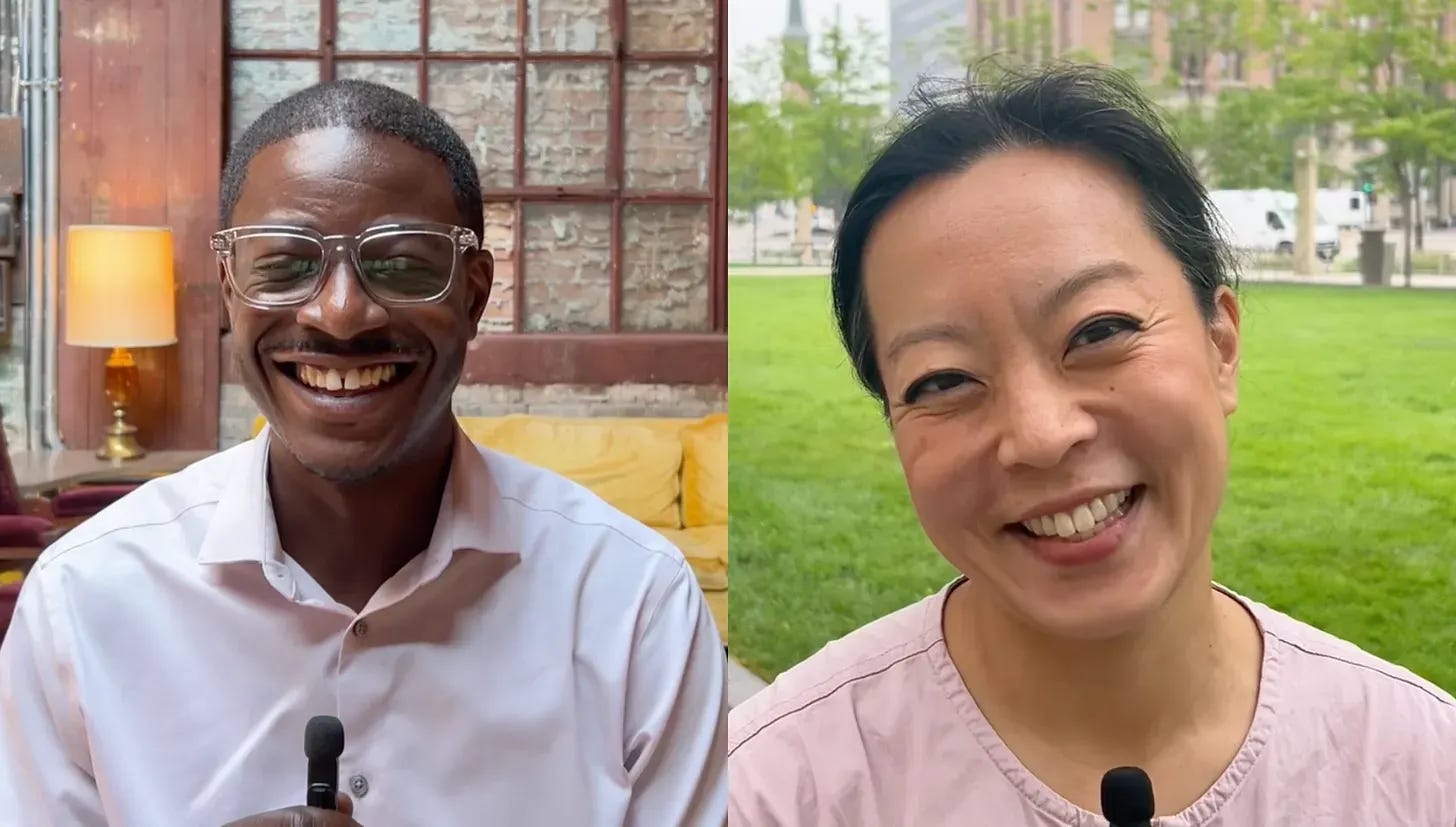
In the immediate aftermath of David Crowley’s razor-thin win in Wisconsin’s Democratic primary, the prognosticator class was quick to boost Democrats’ statewide odds with Crowley instead of democratic socialist Francesca Hong as the nominee.
I wouldn’t be so quick to do that.
For one, I believe every statewide fall election in Wisconsin should be considered a toss-up. Too many are decided by razor-thin margins to justify calling any “Lean D” or “Lean R.” This is Wisconsin. It’s always close.
But that’s not the only reason. I think Francesca Hong’s odds of winning statewide this fall would have been better than what most people were giving her credit for. I think the map would have been quite a bit different, and she would have struggled in the Milwaukee-area suburbs and been constantly dogged by questions about socialism (and so many other things), but she could have won.
Any major-party candidate in the 50-50 state that is Wisconsin could win a statewide election, but that’s not the only reason, either. There had been a motivation factor powering the Hong campaign that was simply not present in any other. There were real paths to victory for Francesca Hong that were unexplored by casual observers — by those same people who didn’t give her any kind of a chance to win the primary, either. It wouldn’t have been the easiest route, but she could have won — yes, both the primary and the general.

David Crowley could win statewide, too — and, on balance, he probably has better odds to win statewide than Hong would have — but to characterize his path as significantly easier discounts some of the challenges he could face as well. It’s not just about perfectly calibrating the ideology meter to something more suited to a swing state. It’s just not that simple. You can’t just turn the democratic socialism dial down a bit and expect to cruise to victory.
Until his campaign was revived by a unique opportunity (and Tony Evers), he was not running a particularly strong campaign. He’s well-known and well-liked in southeastern Wisconsin, but he wasn’t well-known enough for people to even really have an opinion on him in much of the state. In the final stretch, he was able to successfully connect with some of those voters by campaigning on a noun, a verb, and Tony Evers, but that alone won’t carry him for the next 80-some days. We’re already seeing some of the challenges he might face on key issues like data centers, a difficult one for someone in his position to navigate.
It’s not unfair for voters to prioritize electability in their decision. For many Wisconsin Democrats I’d been talking to, they liked most — if not all — of the candidates, but just wanted to pick the person who had the best chance of winning. That’s an entirely reasonable position. This isn’t a corporate overlord or the establishment dictating those decisions — it’s people coming to it independently and simply having different views. The dismissiveness of some on the further left end of the ideological spectrum toward the more moderate wing is the same form of shrinking-the-tent nonsense that the center-left has done in their direction, too. There is, or at least should be, plenty of room under the big tent for everyone in the Democratic coalition, from democratic socialists to never-Trump conservatives.
None of this means electability has a simple answer, especially in a state as politically complex as Wisconsin. More traditional Democrats shouldn’t be spiking the football this week because Crowley beat a democratic socialist. The path to win against Tom Tiffany is still going to be an extraordinarily difficult one. And if there’s a lesson from Hong’s late-campaign stumbles, it’s that no one should take anything for granted, and everyone should run through the tape to the very end, working to win over every last voter.
David Crowley passed one test of electability by, well, winning the primary. He faces a much bigger test in a much more difficult environment now, going up against the behemoth of the Republican machine in the general election. We don’t yet know if he will pass it. To presume that he will ignores the reality of how campaigns operate in this day and age.
If the past is prologue, we’re all going to live several political lifetimes before Nov. 3. There’s no earthly way of knowing what comes next. All we can do now is — as Crowley said in his nomination acceptance speech — get to work.
Dan Shafer’s work this week has been referenced nationwide, from places like The Guardian, HuffPost and beyond.
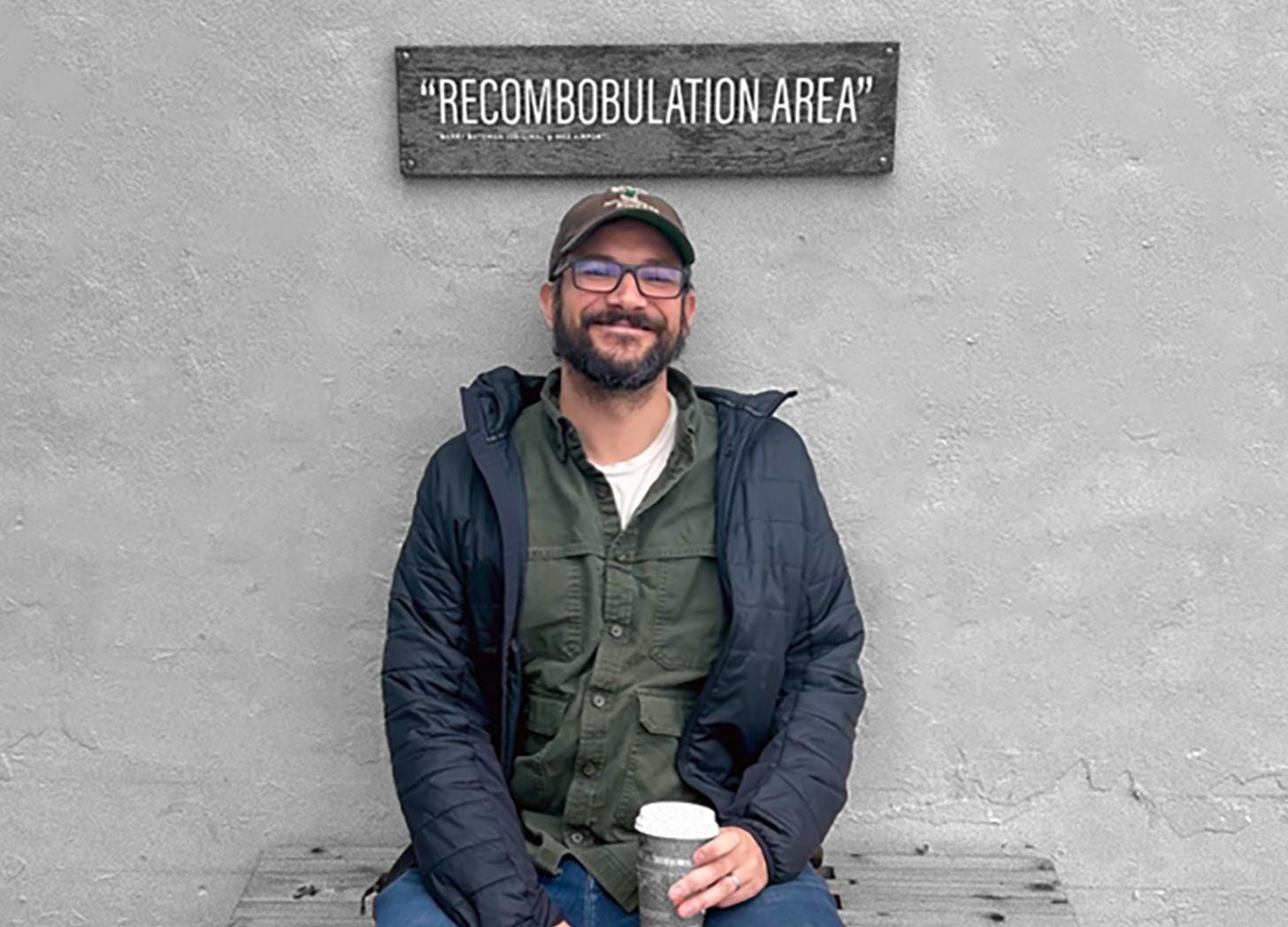
Dan Shafer is an independent journalist from Milwaukee who writes and publishes The Recombobulation Area. He worked with Civic Media from 2024 to 2026. He’s written for The New York Times, The Daily Beast, Heartland Signal, Belt Magazine, WisPolitics, and Milwaukee Record. He previously worked at Seattle Magazine, Seattle Business Magazine, the Milwaukee Business Journal, Milwaukee Magazine, and BizTimes Milwaukee. He’s won 24 Milwaukee Press Club Excellence in Journalism Awards. He’s on Twitter at @DanRShafer.
Subscribe to The Recombobulation newsletter here and follow us on Facebook and Instagram at @ therecombobulationarea.
Already subscribe? Get a gift subscription for a friend.
Part of a group who might want to subscribe together? Get a group subscription for 30% off!
Follow Dan Shafer on Twitter at @DanRShafer, at BlueSky at @danshafer.bsky.social, and on Threads at @danshafer.