

The Recombobulation Area is a 21-time Milwaukee Press Club award-winning opinion column and online publication founded by Milwaukee journalist Dan Shafer.
This guest column is written by Rebecca Stoner, Executive Director Milwaukee Parks Foundation and James Tarantino, Deputy Director of Milwaukee County Parks
The survival of the Milwaukee County Parks system is a familiar Milwaukee story: a beloved, massive park system that has persisted since 1907 through near-constant financial challenges. It is a story of grit, determination, beer, and a whole lot of budget cuts.
According to the Trust for Public Land’s ParkScore, Milwaukee ranks 14th among the 100 largest U.S. cities for maintaining an excellent public park system. With 15,500 acres of parkland, residents and visitors alike cite green space as one of the unique qualities that make them fall in love with Milwaukee.
At the same time, keeping that park system running has been no small feat. Funding keeps shrinking while needs grow more complex.
To summarize the situation:
96% of Milwaukee residents live within a ten-minute walk of a park. Milwaukee is home to one of the largest park systems in the country.
Due to a shrinking tax base, competition for resources, and a structural budget gap where expenses grow twice as much as revenue, Milwaukee County Parks is operating on roughly the same inflation-adjusted budget as in the 1980s.
Staffing has been cut so severely that each employee manages the equivalent of more than 41 Lambeau Fields of land. (Picture yourself on a riding mower surrounded by 41 Lambeau Fields.)
The trends are not improving. Since 2025, tax levy support to Milwaukee County Parks has declined by $1,062,374.
The worst future we could imagine, if we continue down this road without a sustainable solution, is having to give up our public parks — allowing them to fall further into disrepair. This would fundamentally alter our city, increase environmental strain, exacerbate inequity, deepen social separation, and lower everyone’s quality of life.
To look to a better future, let’s examine the solutions that have kept our park system alive since 1907:
Solution 1: Earned revenue
In the 2027 budget, Milwaukee County Parks will generate 60% of the dollars it needs to operate. This revenue comes from golf (the largest revenue generator), McKinley Marina, rentals, beer gardens, and fees.
Milwaukee County Parks has been incredibly entrepreneurial, because it’s had to be. To put that 60% in perspective, the average park system nationwide generates about 18% of its operating expenses through earned revenue.
The inherent challenge with earned revenue is that it sometimes runs counter to the purpose of public parks. Aquatics, for example, is a revenue-losing operation — yet it is a treasured public amenity. No aquatics facility in Milwaukee County generates enough revenue to cover its full operating expenses, which is why aquatics are often the first service cut.
Earned revenue has kept our park system alive, but we are reaching a saturation point. Year after year, Milwaukee County Parks has to dream up creative solutions just to make ends meet and keep basic services intact.
Solution 2: Partnerships and support
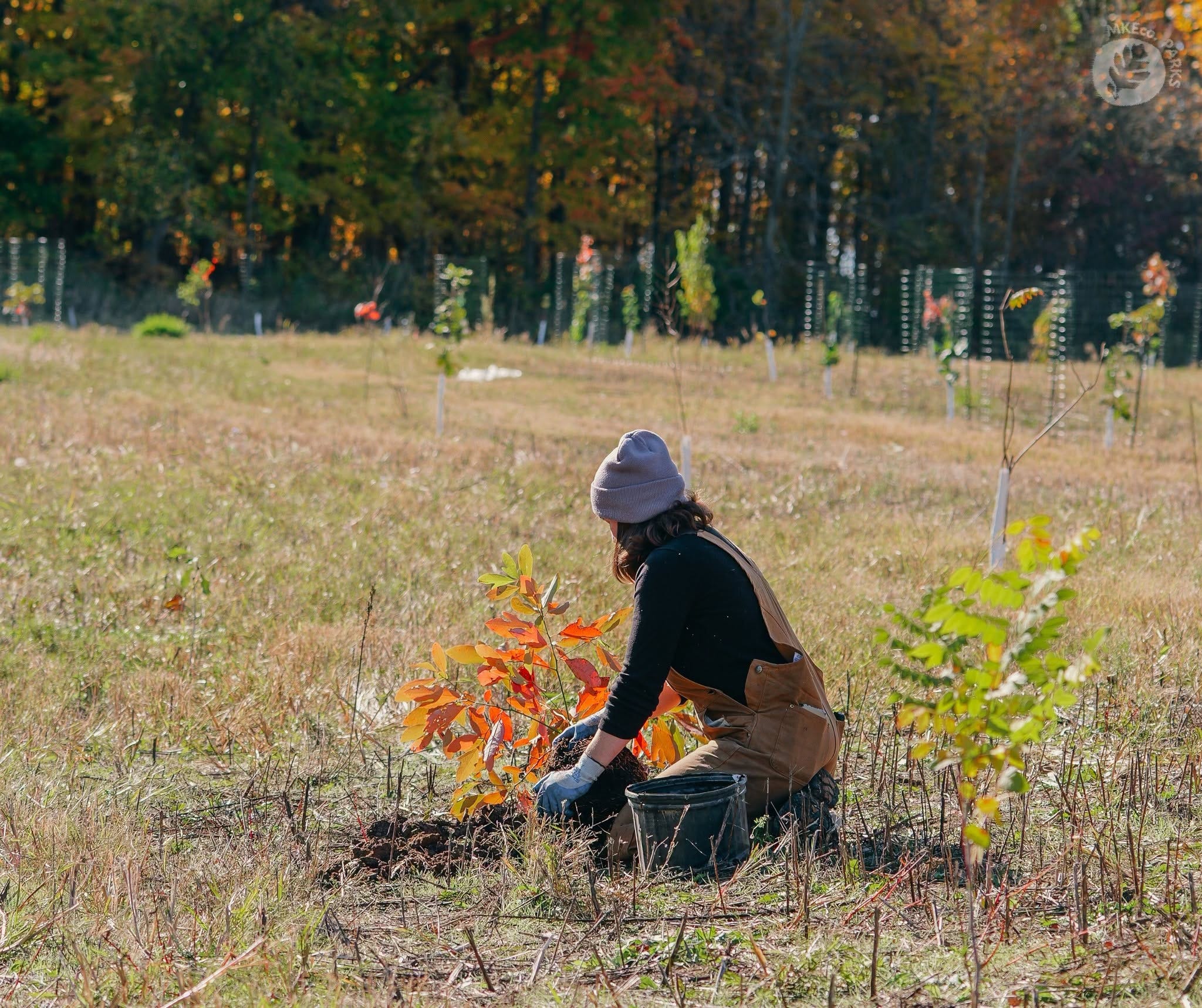
Dozens of nonprofit and service groups have stepped up to support our parks and provide programming. Many are made up of passionate advocates who have kept entire park ecosystems alive despite the challenges. Think of the many nonprofit and community partners who are excellent stewards of our parks and provide important services for young people and the community, or the numerous volunteer groups who get their hands dirty planting trees and removing invasive weeds (again, and again, and again).
These partners do incredible work, but they’re filling a gap they should not have to fill — a gap that public funding used to cover. Existing public dollars are barely enough to maintain our acreage, keep residents safe, and provide a moderate level of services, so maintenance, new projects, and recreational programming increasingly depend on outside support.
Sometimes, partnerships risk creating an imbalance. Parks in more affluent areas can draw on major donors and outside funds. But neighbors near parks in less affluent areas don’t always have the same capacity — money, resources, connections, time, etc. — to invest in their own parks.
When private dollars fill public gaps, where investment goes can end up depending on who can raise the most, not where the need is greatest. Every park deserves care, whether or not it is connected to wealth. Relying on partners long term is unsustainable and leads to some parks thriving while others fall further behind.
The Path Forward: Short- and long-term solutions
The good news is that we have a roadmap to better parks for our communities and our future.
In the short-term, we need equitable investment now. As the strongest philanthropic partner of the park system, Milwaukee Parks Foundation (MPF) has already invested $4.8 million into priority projects, programs, and events in parks that have seen disinvestment, with a plan to invest another $10 million by the end of 2029. MPF prioritizes investment based on the needs of the overall system, guided by a board-led strategy.
Nearly $15 million in multi-year investment means more vibrant amenities, more equitable parks, a significant increase in park activation and engagement, and ultimately a much stronger coalition to advocate for our beloved parks.
For the long-term, we need to continue exploring alternative, sustainable public funding solutions. Two recent reports — Milwaukee County’s Future State Project and the Wisconsin Policy Forum’s 2021 Sinking Treasure report — both share recommendations, but there is much more work to be done to explore potential solutions. The momentum is building among local and regional partners, and we look forward to continued conversations.
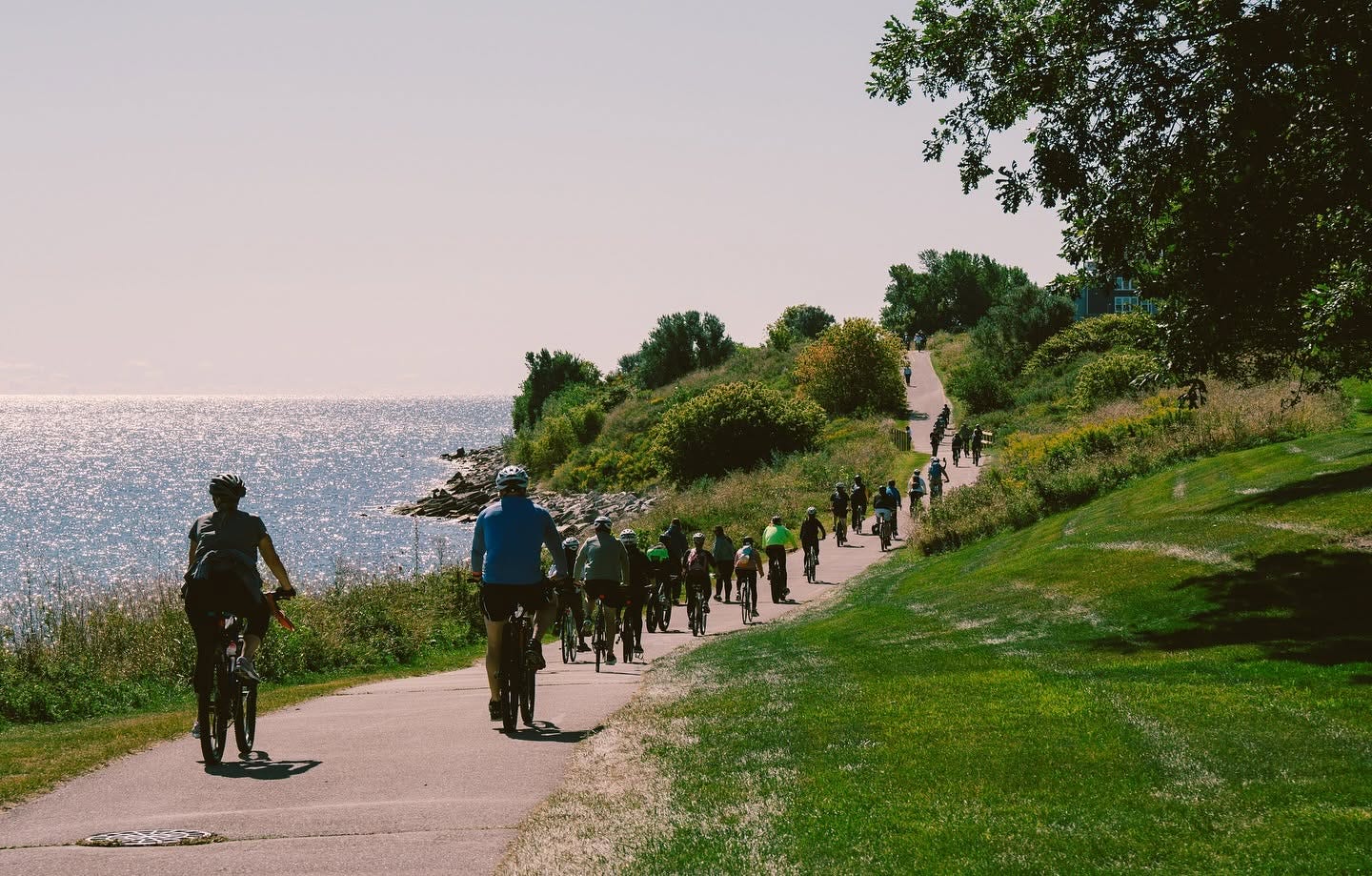
Parks are for all of us, and that means everyone has a role to play in the future of parks – no matter how big or small. Whether you are commuting on the Oak Leaf Trail, hosting a cookout, going for a run, playing with your dog, picking up trash, or otherwise just enjoying your local park, parks are people places, which means the people will shape their future.
A future Milwaukee without parks is unimaginable. So, let’s continue to imagine the park system we want and build it together.
Subscribe to The Recombobulation newsletter here and follow us on Facebook and Instagram at @ therecombobulationarea.
Already subscribe? Get a gift subscription for a friend.
Part of a group who might want to subscribe together? Get a group subscription for 30% off!

